
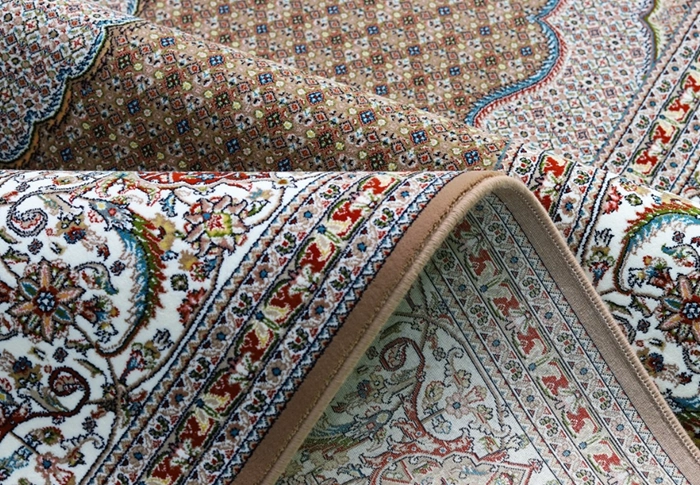
Introduction: Hygiene as a Core Requirement in Modern Mosques
In today’s mosques, cleanliness goes far beyond visual order or routine maintenance. Mosques are living spaces that host daily prayers, Friday congregations, religious classes, community gatherings, and seasonal events such as Ramadan and Eid. Hundreds — sometimes thousands — of worshippers come into direct contact with the mosque carpet every day.
Because prayer involves physical contact with the floor, especially during sujood, the carpet becomes one of the most sensitive surfaces in any worship space. In warm or humid climates, bacteria, fungi, and allergens can easily accumulate if carpets are not engineered with hygiene in mind. This is why antibacterial mosque carpets have become a critical requirement rather than a luxury.
The Importance of Hygiene in Worship Spaces
Islam places strong emphasis on purity (ṭahārah), making cleanliness an essential part of worship. Mosque carpets are exposed to multiple hygiene challenges simultaneously:
- Foreheads touching the carpet during prostration
- Bare or lightly washed feet after ablution
- Children sitting or playing on the floor
- Elderly worshippers spending long periods seated
In high-traffic mosques, especially in regions with heat and humidity, conventional carpets can trap moisture, dust, and microorganisms. Over time, this can lead to unpleasant odors, allergic reactions, and even health risks. Antibacterial mosque carpets address these issues at the material level, helping mosques maintain a clean and healthy environment between cleaning cycles.
What Makes a Carpet Truly “Antibacterial”?
An antibacterial mosque carpet is not defined by marketing claims alone, but by its material composition and production technology. Several factors work together to inhibit microbial growth:
First, heat-set acrylic yarns play a central role. Unlike natural fibers or low-grade synthetics, high-quality acrylic has very low moisture absorption, which prevents bacteria and mold from thriving.
Second, reduces the space where dust, skin particles, and microbes can settle. In higher reed counts, the compact structure itself becomes a barrier against contamination.
Third, optional antibacterial treatments can be applied during production. These certified finishes actively suppress bacterial growth on the carpet surface without affecting softness or color. Pamchal uses German acrylic fibers that are naturally resistant to bacteria and can be upgraded with antibacterial coatings for mosques, schotight and dense weavingols, hospitals, and religious dormitories.
Health and Comfort Benefits for Worshippers
The benefits of antibacterial mosque carpets are experienced directly by worshippers. Reduced microbial presence means fewer allergens in the air and less skin irritation during prolonged contact. This is particularly important for:
- Elderly worshippers with sensitive skin
- Children who sit or play on the carpet
- People with asthma or respiratory sensitivities
Antibacterial carpets also remain fresher for longer periods, reducing odor buildup and the need for frequent deep cleaning. In large mosques where cleaning schedules are challenging, this contributes significantly to overall comfort and hygiene management.
Durability and Long-Term Cleanliness
A common concern is whether antibacterial features affect durability. In well-engineered carpets, the opposite is true. Heat-set acrylic antibacterial carpets maintain:
- Fiber resilience under heavy foot traffic
- Color stability despite frequent cleaning
- Pile structure without matting or fuzz
Because bacteria and mold do not degrade the fibers, the carpet maintains its original texture and appearance for a longer lifespan. This makes antibacterial mosque carpets a smart long-term investment for waqf institutions and mosque administrations.
Compliance with Health and Export Standards
For export-oriented mosque projects, compliance is essential. Pamchal’s antibacterial carpets are produced in accordance with international standards, including:
- ISO 22196 antibacterial performance testing
- Moisture resistance and colorfastness certifications
- Export documentation required in GCC, Africa, and Southeast Asia
These certifications allow antibacterial mosque carpets to be used not only in mosques, but also in Islamic schools, boarding facilities, and public prayer halls where health regulations are stricter.
Why Antibacterial Carpets Matter More in Hot and Humid Regions
In climates such as the Gulf region, Africa, and parts of Southeast Asia, heat and humidity accelerate microbial growth. Traditional carpets in these environments can quickly develop odor and hygiene issues if not properly engineered.
Antibacterial acrylic mosque carpets are specifically suited to these regions because they remain dry, breathable, and resistant to microbial buildup — even under intense daily use.
Conclusion: Cleanliness as Part of Worship Excellence
Choosing an antibacterial mosque carpet is not merely a technical decision; it reflects a commitment to the physical and spiritual well-being of worshippers. By integrating hygiene, durability, and comfort into one solution, antibacterial carpets help mosques uphold the Islamic values of purity and care for the community.
With advanced acrylic technology, certified antibacterial options, and export-ready quality, Pamchal Carpet provides mosque carpets that meet modern health expectations across the Islamic world.