

Understanding the Global Appeal of Iranian Machine-Made Carpets
Importing machine-made carpets from Iran isn’t just about buying a floor covering — it’s about sourcing a product that blends industrial precision with cultural heritage. Iran, long recognized for its leadership in traditional handwoven rugs, has now become a powerhouse in the global machine-made carpet export market, particularly from cities like Kashan, where manufacturers like Pamchal produce high-density, elegant carpets for mosques, hotels, and large-scale commercial buyers.
The global demand for Iranian machine-made rugs has grown due to their affordability, durability, and Islamic and Persian designs. Major buyers from the Gulf region, North Africa, and Southeast Asia turn to Iranian factories for carpets that can be custom-produced in bulk using materials like 100% acrylic yarn — combining softness and strength.
As noted in The Fabric of Civilization by Virginia Postrel, “Textiles are not merely utilitarian — they shape culture, commerce, and connection.” This truth is deeply visible in Iran’s approach to machine-made carpet manufacturing, where artistry meets export-ready efficiency.
Step-by-Step Guide to Importing Machine-Made Carpets from Iran
1. Identify a Reliable Manufacturer
The first and most crucial step in importing machine-made carpets from Iran is selecting a trusted manufacturer with export experience. Look for companies that offer product certifications, clear documentation, and multilingual support. For instance, Pamchal Carpet in Kashan provides customized carpet solutions, factory tours (virtual or physical), and prompt B2B communication — essential for buyers in the Arab world and beyond.
Use directories such as Iran Chamber of Commerce to verify legitimacy if you’re not already connected to a producer. Always request product catalogs, technical details (e.g., reed count, density), and pricing based on quantity and destination.
2. Request Custom Designs or Standard Products
Most Iranian carpet manufacturers offer a range of pre-designed mosque carpets, but also provide custom design options tailored to your space. Before placing an order:
- Share mosque layout dimensions
- Discuss alignment with mihrab orientation
- Choose between 1200-reed or 700-reed options
- Decide on color palette and Islamic motifs
Custom orders may require an initial design consultation, which companies like Pamchal provide to help ensure fit, elegance, and functionality for sacred spaces.
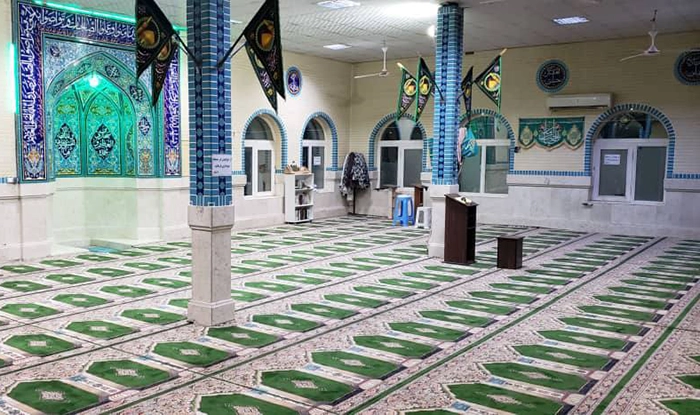
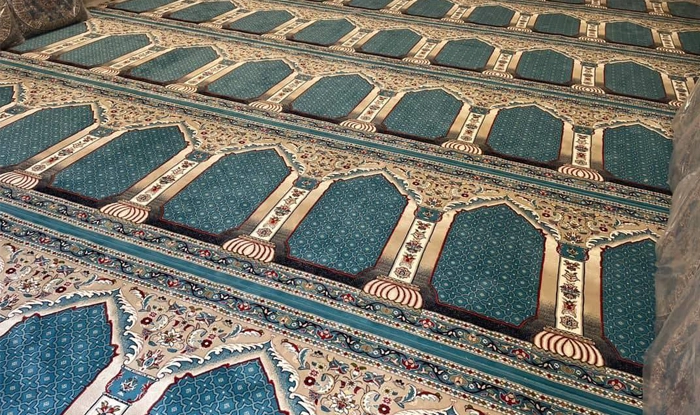
We can give you a piece of advice in this case. For selecting mosque rugs, there can be a wide variety of options among Iranian machine-made carpets and rugs, but the most beneficial choice for mosques can be 700 reeds acrylic carpets. Pamchal carpet company offers 700 reeds acrylic mosque rugs with the width of 4 meters which can serve customers and buyers in the best way.
3. Negotiate Terms and Finalize Quotation
Once the product details are clear, the supplier will provide a quotation based on:
- Carpet type (acrylic, polypropylene, blended)
- Reed and density level (e.g., 700 reed / 2100density)
- Order volume (usually quoted per square meter)
- Delivery timeline and port of destination
- Packaging and branding (if needed)
Always clarify Incoterms (e.g., FOB Bandar Abbas or CIF Jeddah) and payment terms (e.g., cash in advance).
4. Manage Customs, Shipping, and Documentation
After finalizing the order, your supplier will handle most of the export-related logistics — but as an importer, you should understand the basic flow. Iranian manufacturers typically coordinate with freight forwarders to deliver carpets from their factory to ports like Bandar Abbas or Chabahar. Make sure all documentation is ready:
- Commercial Invoice
- Certificate of Origin
- Packing List
- Bill of Lading
- Product Compliance Certificates (if required in your country)
Ask your supplier whether they support CIF (Cost, Insurance & Freight) shipping, which often simplifies the process for international buyers. Trusted exporters like Pamchal will also assist with HS codes and customs declarations to avoid delays.
5. After-Sales Support and Long-Term Partnership
A true B2B supplier does more than ship the product — they ensure long-term satisfaction. Pamchal, for example, offers post-delivery support like:
- Color consistency guarantee
- Reordering support
- Technical assistance for installation in mosques or large spaces
- Future upgrades and new designs
Building a relationship with a reliable Iranian manufacturer helps you secure a long-term supply line for mosque carpets with consistent quality and pricing.
Why Import from Pamchal?
With over three decades of experience in textile production and international business, Pamchal Carpet Company combines quality, reliability, and service excellence. Buyers from Saudi Arabia, Iraq, UAE, and beyond trust Pamchal for:
- High-density acrylic carpets (1500 or 700 reeds)
- Custom Mosque carpet designs aligned with Islamic architecture
- Bilingual support and transparent documentation
- Bulk supply for commercial and religious projects
- Fast, secure export from Iran to international destinations
Ready to Import? Let’s Talk
If you’re planning a mosque construction or renovation project, contact Pamchal today to request a custom quote and explore sample options. Our team is ready to assist you in every step of the import process.
References:
- Virginia Postrel, The Fabric of Civilization
- Iran Chamber of Commerce
- ICC Trade Guidelines for Carpet Export