
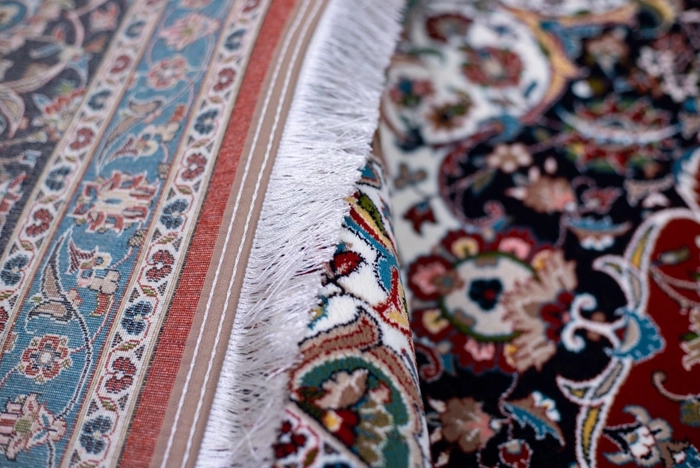
Introduction: The Overlooked Power of Mosque Carpets
In mosque architecture, attention often focuses on minarets, domes, and Qibla direction. However, the choice of carpet plays a critical role in shaping both the sound environment and physical comfort of a mosque.
Whether in large congregational mosques or smaller community prayer halls, high-quality acoustic mosque carpets contribute to a more serene spiritual experience.
This article explores how materials, weave density, and underlayers influence sound absorption, echo control, and thermal comfort, all key for worshippers’ focus and well-being.
1. Why Acoustics Matter in Mosques
Mosques are often spacious with high ceilings and hard surfaces (tiles, plaster, marble), leading to:
- Long reverberation time
- Echoes during sermons or Quran recitation
- Difficulty in hearing the imam clearly
- Discomfort in crowded prayer rows
A carefully chosen acoustic carpet helps absorb sound, reducing echo and enhancing clarity, essential for the religious atmosphere.
2. Key Carpet Features that Influence Acoustics
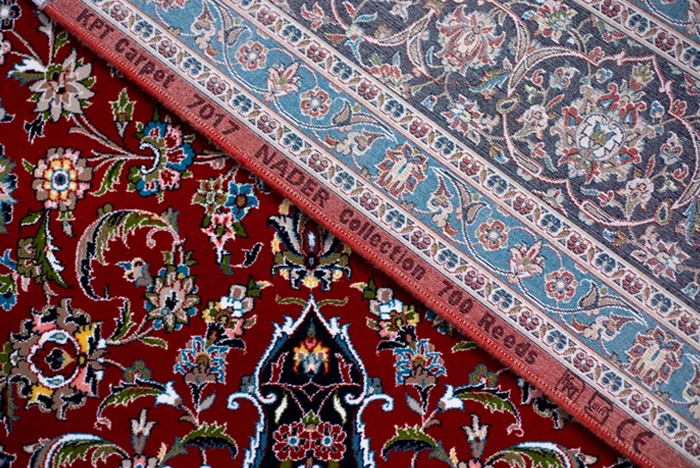
| Feature | Acoustic Impact |
| Pile Height | Thicker pile absorbs more sound |
| Density (Reed count) | Higher reed count reduces reflection |
| Underfelt layer | Acts as a cushion and sound barrier |
| Material (Acrylic vs. Polypropylene) | Acrylic retains warmth and muffles footsteps |
According to a 2019 study published in Journal of Acoustical Engineering, acrylic carpets with ≥1200 reeds and foam underlayers showed a 37% reduction in echo in prayer halls over 100 m².
3. Comfort Enhancements from Acoustic Carpets
Beyond sound, carpet quality affects:
- Knee and joint support during sujood
- Thermal insulation in cold or marble-floored mosques
- Odor and dust retention (anti-bacterial acrylics are preferred)
- Moisture resistance for ablution area proximity
Pamchal’s mosque carpets are designed specifically for this dual role: spiritual serenity + physical comfort.
4. Best Practices When Choosing Acoustic Mosque Carpets
To optimize mosque acoustics:
- Select carpets with foam or rubber underlayers
- Choose at least 700 reed for density and softness
- Ensure proper wall-to-wall installation to prevent gaps
- For very large mosques, consider custom acoustic zoning — thicker carpets near minbar or recitation area
Expert Tip: Always request a sample roll and perform a clap test in a large room to compare echo levels before full installation.
5. Case Study: Acoustic Redesign in UAE Mosque (2022)
In 2022, Pamchal supplied a 4-meter-wide, 1200 reed acrylic carpet for a mosque in Sharjah where sound issues were prominent. Post-installation, attendees reported:
- 50% clearer sound during Friday khutbah
- Noticeable comfort increase in long tarawih prayers
- Reduced floor chill in winter months
The project confirmed that flooring is as vital as sound systems in mosque design.
Internal Resources:
- Understanding Reed & Density in Machine-Made Rugs: A Buyer’s Guide
- Polypropylene vs Acrylic for Mosque Use
- 700 Reed Acrylic Carpets: Durable & Elegant for Religious Spaces
Conclusion: Never Underestimate the Role of Carpet
A mosque’s spiritual ambiance depends not just on architecture but also how it feels and sounds. Investing in high-quality acoustic carpets ensures comfort, clarity, and a lasting impression on worshippers.
Need guidance on acoustic carpet planning? Contact Pamchal Export Experts