
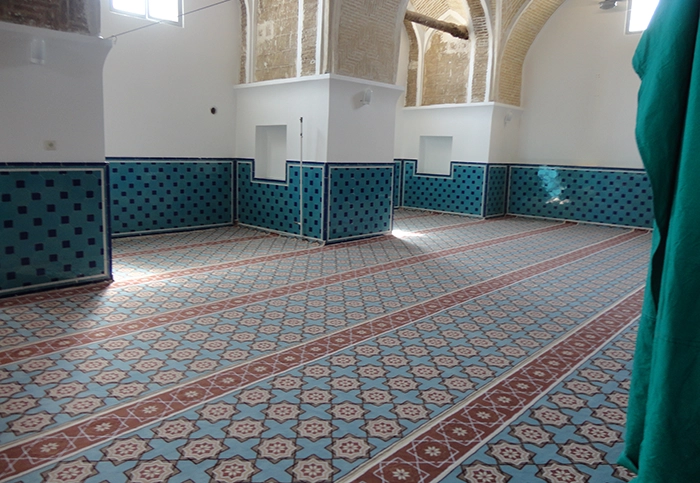
Introduction: The Art of Prayer Rug Design in Arabic Mosques
Arabic mosques — whether in Saudi Arabia, the United Arab Emirates, Qatar, Kuwait, or Egypt — represent some of the most magnificent architectural achievements in the Islamic world. Within these sacred spaces, the prayer rug is not just a flooring solution; it is a visual and spiritual foundation that shapes the atmosphere of worship.
From the grand mosques of Mecca and Medina to modern community mosques in Dubai and Doha, the carpet reflects a delicate balance between cultural symbolism, architectural harmony, and functional design.
As one of the leading Iranian exporters of mosque carpets, Pamchal Carpet Company has decades of experience in supplying rugs that meet the unique needs and aesthetics of Arabic mosques.
Understanding the Cultural & Aesthetic Preferences of Arabic Mosques
Arabic mosque architecture is deeply rooted in geometry, proportion, and sacred symbolism. Each region carries its own visual identity, which influences carpet design and color.
Designers must take into account:
- The mosque’s architectural style (Ottoman, Andalusian, Modern Gulf, or Egyptian Fatimid)
- Cultural color preferences, often linked to historical or spiritual associations
- The role of calligraphy and arabesque motifs in creating visual unity
- Spatial orientation and Qibla direction to guide worshippers effectively
In Gulf countries, for example, symmetry and calm repetition are favored over complexity. Carpets must evoke tranquility, respect, and unity while complementing the marble, chandeliers, and domes found in these mosques.
Key Elements of Ideal Prayer Rug Design for Arab Clients
Based on Pamchal’s export experience, the most successful prayer rug designs for Arabic mosques combine aesthetic purity with practical function.
Essential Features Include:
- Mihrab-shaped units: Clearly define each worshipper’s position and ensure Qibla alignment.
- Sutra line integration: Maintain proper spacing between prayer rows while preserving visual balance.
- Repeating symmetrical patterns: Create a sense of calm and order across large prayer halls.
- Minimal floral elements: Encourage spiritual focus by avoiding distractions.
- Tone-on-tone or gold-accented borders: Reflect elegance and prestige, especially in state or royal mosques.
Each of these elements supports spiritual harmony, easy congregation organization, and a visually unified worship environment — key priorities for mosque authorities across the Arab world.
The Psychology of Design and Worship
The prayer carpet is not only an artistic choice but also a psychological and spiritual tool.
Studies in Islamic art psychology show that patterns with balanced geometry and subdued colors promote a meditative atmosphere.
- Symmetry symbolizes divine balance and unity.
- Soft repetition reduces visual fatigue during long prayers.
- Geometric precision mirrors the discipline and rhythm of collective worship.
This understanding of visual psychology helps manufacturers like Pamchal design carpets that nurture both serenity and sacredness.
Popular Color Choices in Arabic Mosque Carpets
Color carries powerful symbolic meaning in Islamic architecture. Across Arabic countries, carpet colors often match the regional mood, lighting, and architectural tone.
Most Popular Colors Include:
- Green: Symbol of paradise, tranquility, and the Prophet’s color — highly favored in Saudi Arabia.
- Burgundy / Maroon: Evokes dignity and timeless elegance, often used in major UAE and Egyptian mosques.
- Beige / Cream: Reflects simplicity and brightness, ideal for desert or sunlit mosques.
- Navy Blue: Associated with wisdom and calm; reduces visual strain in large halls.
Pamchal Carpet Company offers all these tones in 700 and 1500 reed acrylic weaves, ensuring perfect harmony between durability and aesthetic richness.
Custom Layouts to Match Qibla and Architectural Orientation
Arabic mosques frequently feature complex architectural layouts — from vast domed spaces to irregular wall angles.
Pamchal Carpet Company utilizes CNC-based layout mapping to ensure that every carpet roll aligns perfectly with the mosque’s geometry.
Our design process includes:
- Floorplan analysis from the client or architect
- Digital mapping for Qibla direction and Imam’s position
- Precise alignment for Minbar access, row continuity, and entrance pathways
- Seam optimization for clean installation in multi-zone prayer areas
Related: [CNC Carpet Cutting for Curved Mosque Designs]
By combining traditional aesthetics with modern precision, Pamchal ensures that every square meter of carpet aligns perfectly with the architectural and spiritual rhythm of each mosque.
Pamchal’s Expertise in the Arabic Market
With more than two decades of experience, Pamchal Carpet Company has successfully completed numerous projects across Saudi Arabia, UAE, Qatar, Oman, and Egypt.
Our carpets are approved by major religious institutions and architects for:
- High-density durability
- Anti-slip and colorfast properties
- Qibla-oriented modular layouts
- Complete export documentation (HS Code, Certificates, Chamber Stamps)
- Custom branding and logo weaving for ministries or waqf donations
Pamchal’s combination of traditional Iranian craftsmanship and modern production technology has made it one of the most trusted suppliers for Arabic mosques worldwide.
Related Articles You Might Like
- Custom Mosque Carpet Layout & Qibla Design
- How to Choose the Right Carpet Density for Your Mosque
- The Role of Color Psychology in Islamic Interiors
Conclusion: Designing for the Spirit of Worship
Arabic mosque carpet design goes far beyond visual beauty — it’s about respecting culture, reinforcing faith, and creating unity.
Every motif, color, and layout must serve the greater purpose of spiritual focus and architectural balance.
With decades of experience serving mosques across the Arab world, Pamchal Carpet delivers carpets that embody both artistic grace and spiritual precision.
Contact Pamchal today to request your custom Arabic mosque carpet design and receive expert consultation for your project.